




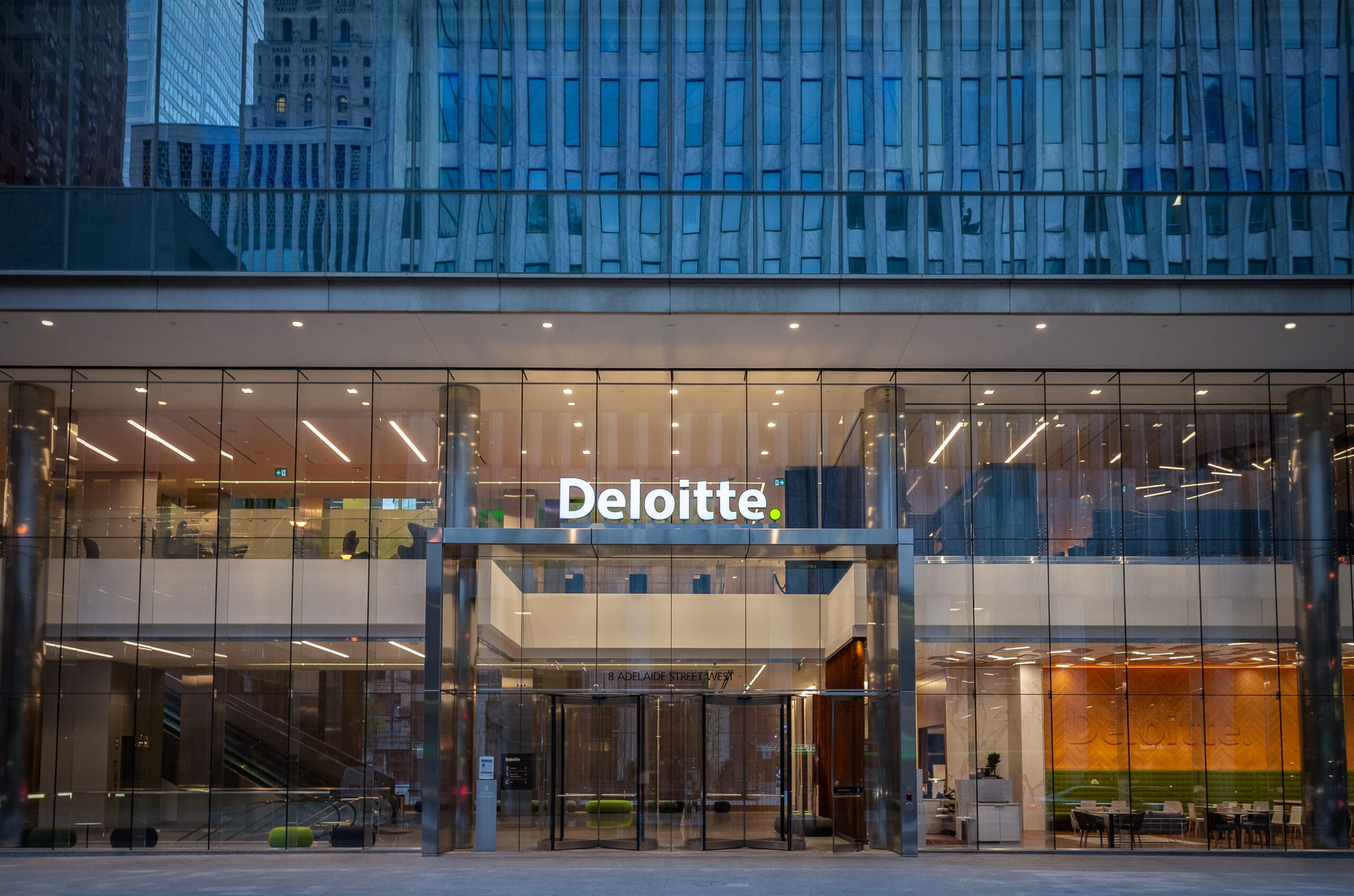
Top Technology Trends 2026 According to Deloitte’s
As businesses look toward 2026, Deloitte’s latest research highlights a rapidly evolving technology landscape where AI and automation are not just tools but foundational drivers of digital transformation. Companies are moving beyond pilot programs and proofs of concept, focusing on technologies that deliver real business value, improve operational efficiency, and create a competitive edge in a highly connected world.
At the heart of Deloitte’s predictions is the rise of AI-powered enterprise systems. AI is no longer a supplemental technology; it is reshaping business models, workflows, and customer experiences. Organisations are discovering that traditional IT infrastructures, designed for legacy systems, cannot keep pace with AI’s capabilities. As a result, companies are investing in AI infrastructure, hybrid cloud architectures, and edge computing solutions to handle the increasing demand for real-time analytics, autonomous systems, and large-scale AI workloads.
One of the most top technology trends identified by Deloitte is the emergence of agentic AI. Unlike traditional AI tools that simply assist humans, agentic AI systems can reason, plan, and act autonomously to achieve complex goals. These AI agents are transforming enterprise software by integrating directly into business processes and workflows, making applications smarter, more adaptive, and increasingly self-directed. Deloitte predicts that by 2026, the majority of organisations will adopt agentic AI in some form, leading to more intelligent automation across industries.
Deloitte also emphasises the convergence of AI and robotics, a trend they call “AI goes physical.” This development extends intelligence into the real world, powering autonomous machines such as industrial robots, warehouse fleets, and smart manufacturing equipment. By combining AI with physical systems, organisations can improve operational efficiency, reduce human error, and optimise supply chain processes. This trend highlights how industrial automation and AI are shaping the future of work, logistics, and production.
In addition to AI and automation, Deloitte notes that hybrid computing and infrastructure transformation are critical for organisations seeking to scale their technology effectively. Traditional cloud-only approaches may not be sufficient for high-performance AI workloads. Companies are now leveraging hybrid cloud environments that combine cloud elasticity, on-premises stability, and edge computing speed. This approach ensures businesses can manage AI at scale, maintain cost efficiency, and enhance resilience in an increasingly digital enterprise environment.
Top Technology Trends 2026
The report also highlights the growing importance of human-machine collaboration. Organisations that successfully integrate AI into their operations are redesigning processes around AI-first principles, creating hybrid teams in which humans and machines complement each other’s strengths. This strategy enhances innovation, accelerates decision-making, and improves productivity while ensuring that employees are equipped to work effectively alongside advanced AI systems.
Security is another top concern in 2026. As AI becomes central to business operations, organisations face new cybersecurity risks. AI-powered attacks, shadow AI, and adversarial threats are increasing the complexity of the security landscape. Deloitte emphasizes the need for AI-driven cybersecurity, which uses intelligent systems to detect threats, automate responses, and proactively defend against attacks. By treating AI as both a tool and a risk, businesses can strengthen their defences while enabling rapid innovation.
Connectivity and communications are also undergoing transformation. Emerging technologies such as satellite-based networks and advanced telecommunication systems are expanding global reach and enabling seamless, real-time data flow across geographies. This trend supports enterprises in deploying AI, IoT, and automation solutions more effectively while providing resilient, high-speed digital connectivity to power innovation.
In summary, Deloitte’s 2026 technology trends underline a fundamental shift: AI, automation, hybrid infrastructure, and cybersecurity are no longer optional, they are essential for competitive advantage. Businesses that embrace intelligent automation, integrate agentic AI into workflows, modernise infrastructure, and prioritise security will be best positioned to succeed in the next wave of digital transformation. By investing in these technologies strategically, organisations can drive efficiency, create new value, and thrive in an era defined by rapid technological change.
Whether you’re looking for expert advice, AI training sessions, or guidance from an innovation transformation advisor, Active Digital AI can help. Let us know your specific needs, and we can provide ideas on costs, or we can jump on a quick Teams call to explore how our solutions can accelerate your AI and digital transformation journey.
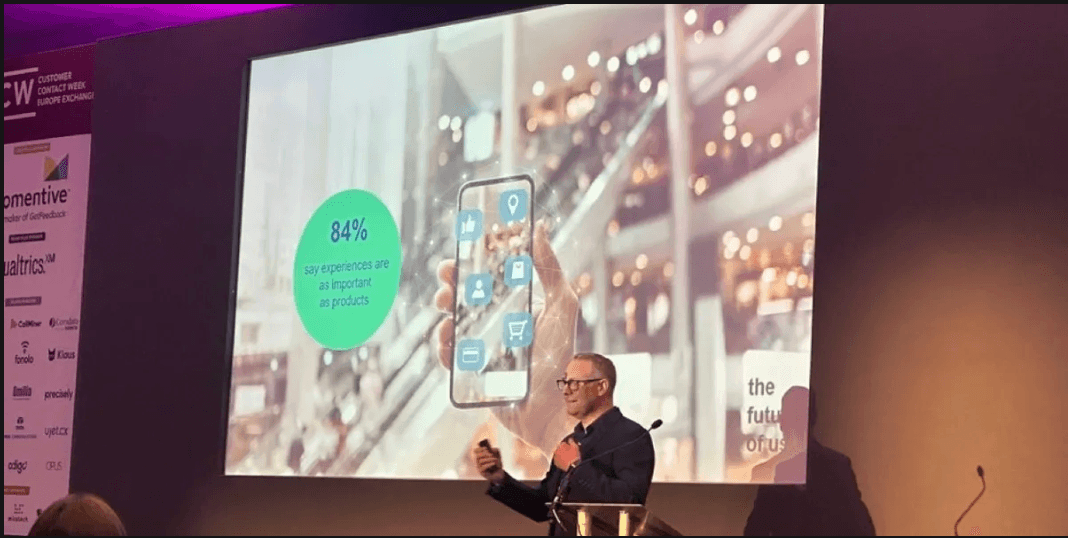
Our team, including our in-house expert and Futurist, Ant Morse (pictured above) works closely with businesses to identify the right strategies, ensuring that your investment translates into measurable outcomes. Don’t wait, please connect with team today.
Take the first step toward embracing the future of intelligent, automated, and AI-powered enterprise technology.
Contact us and ask for a no obligation, 20 min Teams discovery call today.
Follow us on LinkedIn