Choosing the best IoT SIM card for business operations in the UK determines whether your connected devices can stay online, send data reliably and support the way your teams work.
For many organisations, IoT SIMs sit behind critical activity. They connect payment terminals, vehicle trackers, sensors, smart meters, alarms, site equipment and remote monitoring devices. If the SIM cannot connect in the right place at the right time, the issue can quickly become operational rather than technical.
That may mean missed data, delayed maintenance, failed transactions, extra site visits or reduced visibility across your estate.
We support businesses with IoT connectivity, M2M SIMs and multi-network device estates at Active Digital. With over 30 years of experience in business connectivity, we help you choose SIMs around coverage, resilience, management and long-term operational fit.
What is an IoT SIM card?
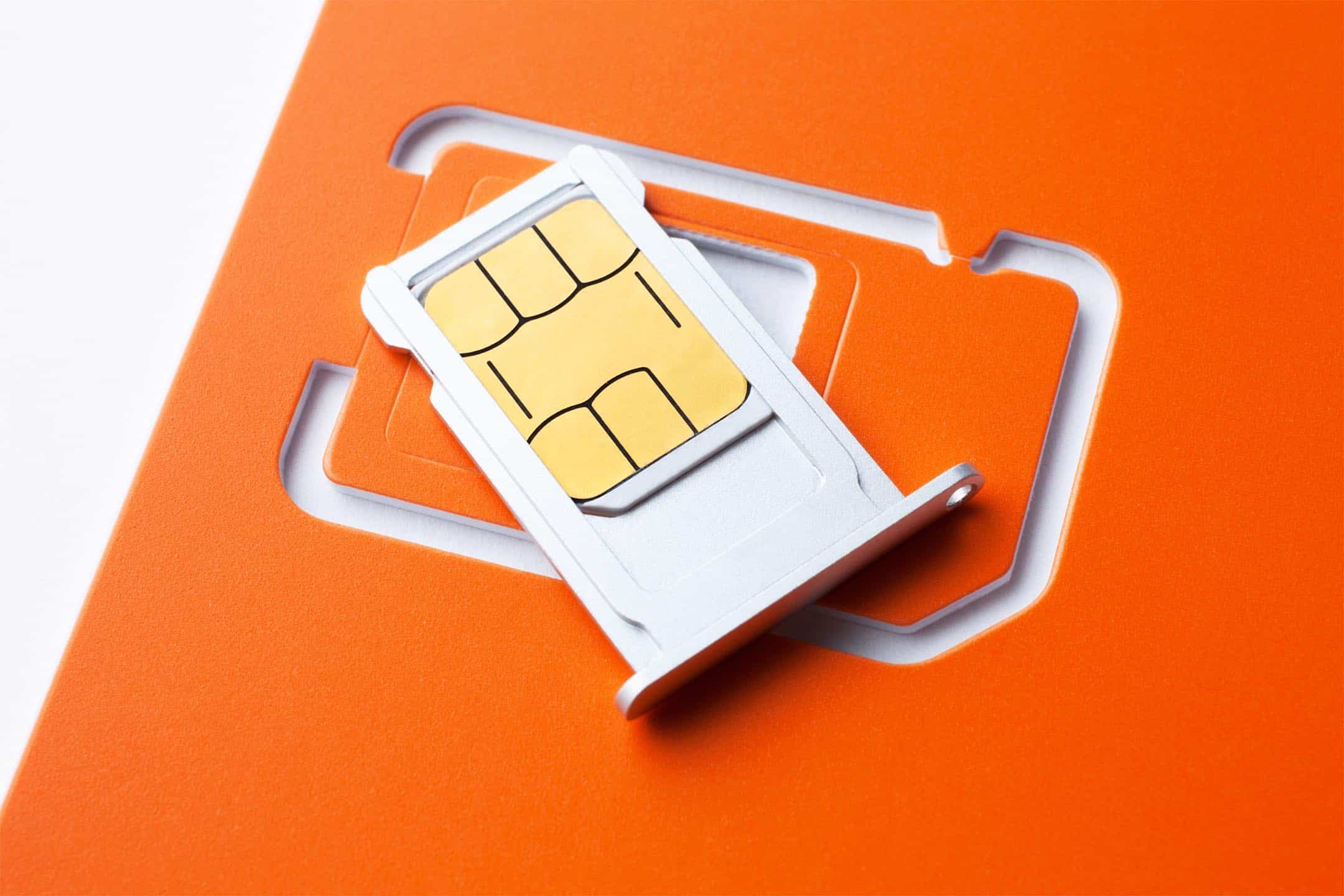
An IoT SIM card is a SIM designed to connect devices to a mobile network so they can send and receive data.
Unlike a standard mobile SIM used in a phone, an IoT SIM is usually deployed inside machines, sensors, trackers or connected equipment. It is often used where fixed broadband or Wi-Fi is not practical, such as vehicles, temporary sites, rural assets or distributed devices.
Common use cases include:
- Vehicle tracking
- Smart metering
- Payment terminals
- Environmental sensors
- Security systems
- Connected care devices
- Industrial equipment
- Digital signage
- Construction site assets
- Remote monitoring equipment
IoT SIMs are also closely linked to M2M connectivity. If you need a plain English introduction, our guide to What is M2M connectivity explains how devices communicate automatically over a network.
How is an IoT SIM card different from a regular SIM?
A regular SIM is designed for human use, usually in a mobile phone or tablet. An IoT SIM is designed for connected devices that may need to operate for long periods with limited manual intervention.
The differences can include:
- Better tools for managing large SIM estates
- Data pooling across multiple devices
- Fixed IP or private APN options
- Roaming or multi-network capability
- Usage controls and alerts
- More suitable commercial models for low-data devices
- Support for remote diagnostics and troubleshooting
A private APN is a controlled mobile access point that can help separate device traffic from the public internet, depending on your security needs.
In practice, the main difference is control. If you have hundreds of devices in the field, you need visibility of usage, performance, billing and support. A consumer SIM is rarely designed for that level of management.
Can I use a standard SIM card for IoT?
In some simple cases, a standard SIM may work. For example, a low-risk device in a strong coverage area might connect and send data without issue.
The problem is what happens when your estate grows or becomes more critical. Standard SIMs can be harder to manage at scale. They may lack suitable usage controls, estate reporting, multi-network options or the right support model.
If the device supports a customer-facing service, safety process, compliance report or operational alert, a standard SIM can create unnecessary risk.
The better question is not “will it connect?”. It is “will it stay manageable, resilient and cost-effective as our operation changes?”
Key factors to consider when choosing an IoT SIM card
An IoT SIM card comparison should start with your operating environment, not a tariff table. The right choice depends on where devices are used, how critical uptime is and how you plan to manage the estate.
Coverage
Coverage is one of the most important factors. A SIM that works well in one location may perform poorly in another.
This matters for:
- Mobile assets
- Rural sites
- Temporary construction locations
- Basements or plant rooms
- Multi site estates
- Devices that move between regions
Before choosing an IoT SIM card UK provider, check how coverage will be assessed. Coverage maps can help, but they do not always reflect real-world device performance inside vehicles, buildings or remote environments.
Multi-network capability
A single-network SIM connects to one carrier. A multi-network SIM can connect across more than one network, depending on the setup.
For IoT estates, this can improve resilience. If one network has weak coverage in a particular location, a multi-network approach can reduce the risk of a device being offline.
Our multi-net SIM capability is designed for businesses that need stronger coverage options across devices, sites and mobile assets. We are multi-network independent, so we are not tied to a single carrier.
Data usage and pooling
Many IoT devices use small amounts of data. Others send frequent updates or larger packets. Understanding usage helps avoid both overpaying and under-specifying.
Data pooling can be useful when you manage many SIMs. Instead of giving each SIM a separate allowance, a pooled plan allows usage to be shared across the estate. This can make costs easier to manage when devices use data unevenly.
Durability and device environment
The SIM itself may need to operate in demanding conditions. Some devices are exposed to heat, vibration, movement, dust or long operating cycles.
For industrial, transport, utilities or construction environments, make sure the SIM type suits the device and expected lifespan.
Security and control
Security should be considered early, especially where connected devices support regulated activity or sensitive operations.
You may need:
- Private APNs
- Fixed IP addressing
- Secure data routing
- Usage alerts
- SIM locking
- Access controls
- Clear support ownership
Good security is not only about technology. It also depends on process, monitoring and accountability.
Management and support
As your estate grows, support becomes more important. You need to know who manages SIM changes, faults, usage spikes, billing queries and network issues.
A low-cost SIM can become expensive if your internal team spends too much time chasing problems.
Single-network vs multi-network IoT SIMs
A single-network SIM may suit fixed devices in areas where coverage is known and reliable. It can be a practical option for simple deployments with low operational risk.
A multi-network SIM is often better when devices are mobile, remote or spread across different sites. It is also useful where connectivity failure would affect revenue, compliance, safety or service delivery.
For example, a payment device that fails during trading hours creates an immediate issue. A tracker that drops offline can affect fleet visibility. A sensor that misses an alert may delay maintenance.
Multi-network capability does not remove every risk, but it gives your estate more options. For many UK businesses, that flexibility is the difference between a device that usually works and a device estate that can be managed with greater confidence.
Matching the SIM to your use case
The right IoT SIM depends on the job your device needs to do.
Fleet and mobile assets
Fleet trackers and mobile equipment need coverage across changing locations. Multi-network access, roaming rules, usage visibility and strong support are important.
Utilities and smart metering
Meters and infrastructure sensors may use low data, but they often need consistency over long periods. Security, reporting and lifecycle management are key considerations.
Fixed devices
A fixed payment terminal, kiosk or alarm may work well on a single network if coverage is strong. If it supports revenue or service continuity, resilience should still be reviewed.
Construction and temporary sites
Temporary sites can be difficult to connect. Locations change, infrastructure may be limited and equipment moves regularly. Multi-network SIMs can help reduce downtime across these environments.
Regulated or compliance-led environments
Care, healthcare, utilities and other regulated sectors need stronger governance. Connectivity design should include support processes, data handling, access control and service continuity.
If you are comparing connected technologies, our IoT vs M2M guide explains how device communication fits into wider connected operations.
What networks support IoT SIM cards in the UK?
IoT SIM cards in the UK can use major mobile networks, depending on the provider, SIM type and commercial model. Some SIMs are tied to one carrier. Others can access multiple networks.
The important point is not only which networks are available. It is whether your provider can help you choose the right option for your locations, risk profile and device estate.
As a multi-network independent partner, we can design around operational need rather than forcing your devices onto one network by default.
How many devices can one IoT SIM card support?
In most cases, one IoT SIM is used per connected device. A tracker, meter or payment terminal usually has its own SIM so it can connect independently.
In some setups, one SIM may support a router or gateway that connects several devices locally. This can be useful on temporary sites, in vehicles or in locations where several devices need shared connectivity.
The right model depends on the device type, data requirement, resilience need and how you want to manage faults.
Do IoT SIM cards work internationally?
Some IoT SIM cards can work internationally. This depends on roaming agreements, network access, data plans and the countries involved.
International use needs careful planning. Costs, latency, permanent roaming rules and support arrangements can vary. If assets move between countries, confirm the commercial and technical model before deployment.
Questions to ask your IoT SIM provider
Before committing, ask:
- Which networks can the SIM access?
- Are you tied to one carrier?
- How is coverage tested?
- Can data be pooled across SIMs?
- What usage alerts and controls are available?
- Can you support private APNs or fixed IPs?
- How are faults diagnosed?
- What happens if a device moves location?
- How easy is it to scale the estate?
- Who manages billing, changes and support?
- What reporting is available?
- What contract terms apply?
These questions help you compare more than price. They show whether the provider can support your operation properly.
How we support IoT SIM estates
Active Digital help businesses choose, deploy and manage IoT SIM estates across sectors including construction, utilities, fleet, retail, care and multi site operations.
Our process is practical:
Discovery: We understand your devices, sites, coverage risks, data usage, security needs and operational goals.
Design: We recommend the right SIM model, including single-network, multi-network, data pooling or private APN options where needed.
Deployment: We support rollout so devices, SIMs and teams are set up correctly from the start.
Ongoing support: We help manage usage, faults, changes and future requirements. Our 97% client retention reflects the long-term service relationships we build.
Choosing the right IoT SIM card
The best IoT SIM card for your business is the one that supports your devices reliably, gives you control and fits your operational risk.
For some use cases, a single-network SIM may be enough. For mobile assets, temporary sites, distributed estates or critical devices, multi-network capability can provide stronger resilience.
Cost matters, but it should not be the only measure. Coverage, support, security, data management and scalability all affect long-term value.
To discuss your IoT SIM requirements, explore our multi-net SIM service or speak to us today.
FAQs
- What is an IoT SIM card?
An IoT SIM card connects devices, machines or sensors to a mobile network so they can send and receive data.
- How is an IoT SIM different from a regular SIM?
An IoT SIM is designed for connected devices and larger estates. It often includes better management tools, data pooling, security options and support for remote monitoring.
- Can I use a standard SIM card for IoT?
You can in some simple cases, but it may not be suitable for critical or growing estates. IoT SIMs usually provide better control, reporting and resilience.
- What is a multi-network SIM card for IoT?
A multi-network SIM can access more than one mobile network. This can improve coverage and resilience for mobile, remote or multi site devices.
- What data plans are available for IoT SIM cards?
Plans vary by provider. Options may include low-data plans, pooled data, fixed allowances, roaming plans and managed estates.
- Do IoT SIM cards work internationally?
Some do, depending on roaming agreements, countries, data plans and provider terms. International deployments should be planned carefully.
Speak to us today
To discuss your IoT SIM requirements, explore our multi-net SIM service or speak to us today.