




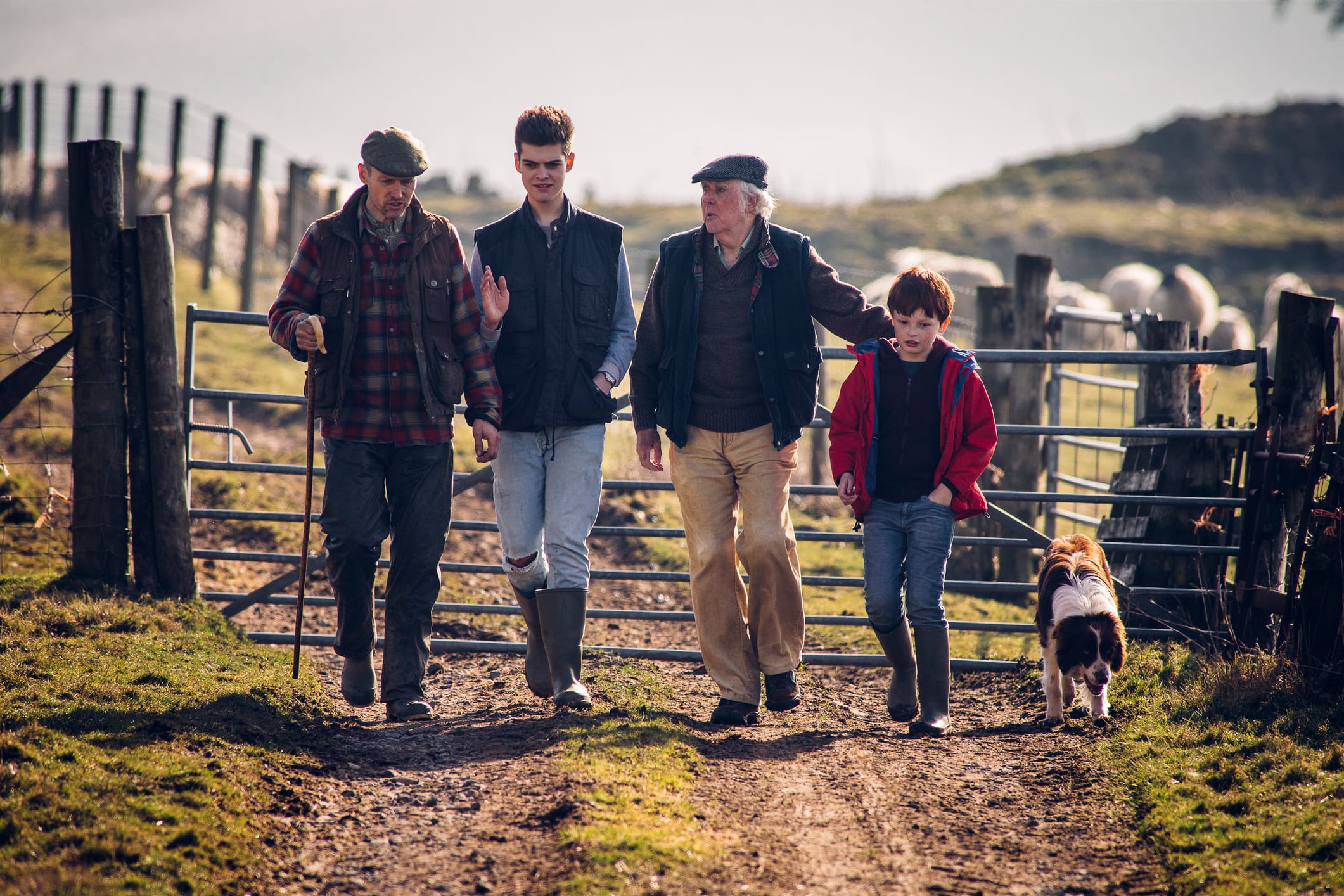
UK agriculture is entering a defining period. The choices made now about technology adoption, workforce development and collaboration will determine whether the sector merely adapts or truly thrives. Investing in skills alongside innovation is no longer optional; it is essential to securing the future of farming in an increasingly digital world.
Farming has always been shaped by uncertainty, from weather extremes to volatile markets. Yet this moment could feel different. The familiar rhythms of agricultural life are being disrupted by innovations that promise greater efficiency, resilience and sustainability, while also challenging long-established ways of working. Artificial intelligence, robotics and digital traceability are no longer distant concepts discussed at conferences. They are becoming real investment decisions on farms across the country.
Some businesses are already quietly reshaping their operations. Data is increasingly used to inform decisions about input timing, yield optimisation, animal health and regulatory compliance. Precision tools and digital platforms are helping farmers respond more quickly to changing conditions and tighter margins. At the same time, many others remain cautious, watching closely and weighing the risks. The gap between early adopters and those waiting on the sidelines is becoming more visible, and the key question is no longer whether change is necessary, but how fast it should happen and who will benefit most.
This challenge is highlighted in a recent report by the Institute for Agriculture and Horticulture (TIAH) and the University of Warwick, which examines how research and innovation are reshaping the English agricultural and horticultural workforce. The study finds that technological transformation, driven by automation, digitalisation and advanced data analytics, is fundamentally altering labour requirements across the sector. Without a rapid overhaul of training systems, the report warns, the UK risks undermining both productivity and long-term food security.
The research identifies six key technology domains already transforming agriculture, including autonomous robots and automated machinery, biological control and precision breeding, carbon and environmental technologies, remote sensing and monitoring, big data and analytics, and artificial intelligence and machine learning. These technologies are no longer experimental; many are already being deployed at scale, changing how farms operate on a day-to-day basis.
Despite this progress, the report highlights a significant skills gap. The current workforce often lacks the digital and technical capabilities required to fully adopt and manage these systems. This creates a real risk that UK agriculture could fall behind global competitors who are investing more aggressively in both technology and training. Upskilling initiatives do exist, ranging from on-farm robotics training to vocational courses in precision agriculture, but access remains uneven.
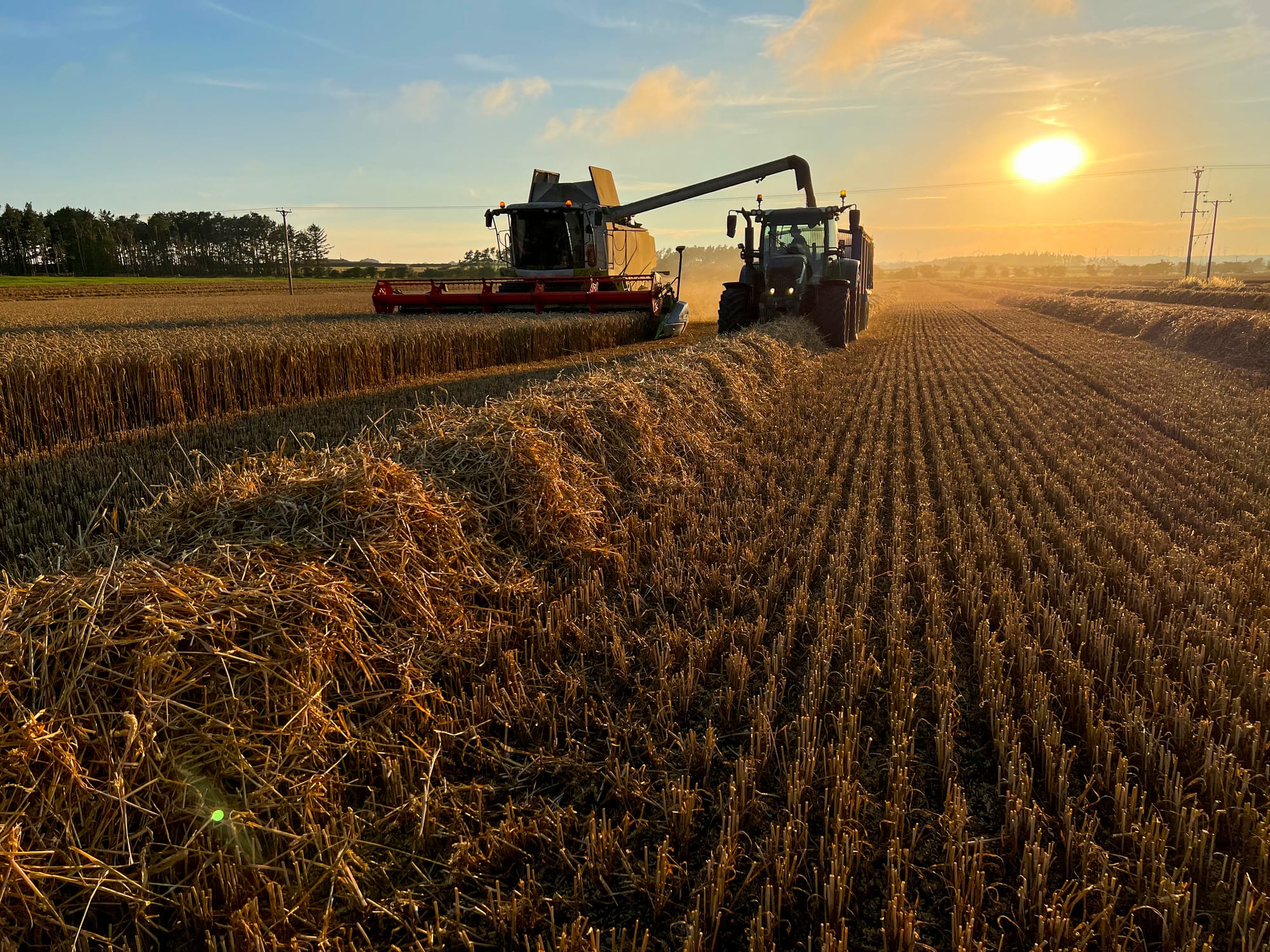
Cost, limited availability in rural areas and low awareness of training programmes are cited as major barriers. As a result, many farmers find themselves generating unprecedented volumes of data, from yield monitors to soil sensors, without the tools or confidence to translate that information into actionable insight. Turning raw data into better decisions requires digital literacy, analytical skills and the ability to integrate technology with traditional farming knowledge.
Artificial intelligence is playing an increasingly important role in bridging that gap, often embedded within software platforms and mobile applications. AI supports everything from predictive and prescriptive analytics to disease detection and biosecurity alerts, helping farmers make more informed decisions in real time. However, the benefits of these tools can only be realised if people understand how to use them effectively.
As Tess Howe, Head of Partnerships and Policy at TIAH, notes, these technologies are already here and scaling rapidly, but the workforce is not yet ready. Without targeted investment in skills and infrastructure, the sector risks missing a critical opportunity to improve competitiveness, sustainability and resilience.
UK agriculture is entering a defining period. The choices made now about technology adoption, workforce development and collaboration will determine whether the sector merely adapts or truly thrives. Investing in skills alongside innovation is no longer optional; it is essential to securing the future of farming in an increasingly digital world.
If you’re exploring how technologies like AI, data analytics and automation can work in practice for your agricultural business — and how to equip your people with the skills to use them effectively; Active Digital AI can help. We work with organisations across the sector to identify the right digital opportunities, design practical AI strategies and deliver training that drives real-world impact.
Get in touch with Active Digital AI today to start a conversation about how we can support your journey through agricultural innovation and workforce transformation.
Follow Active Digital in LinkedIn