




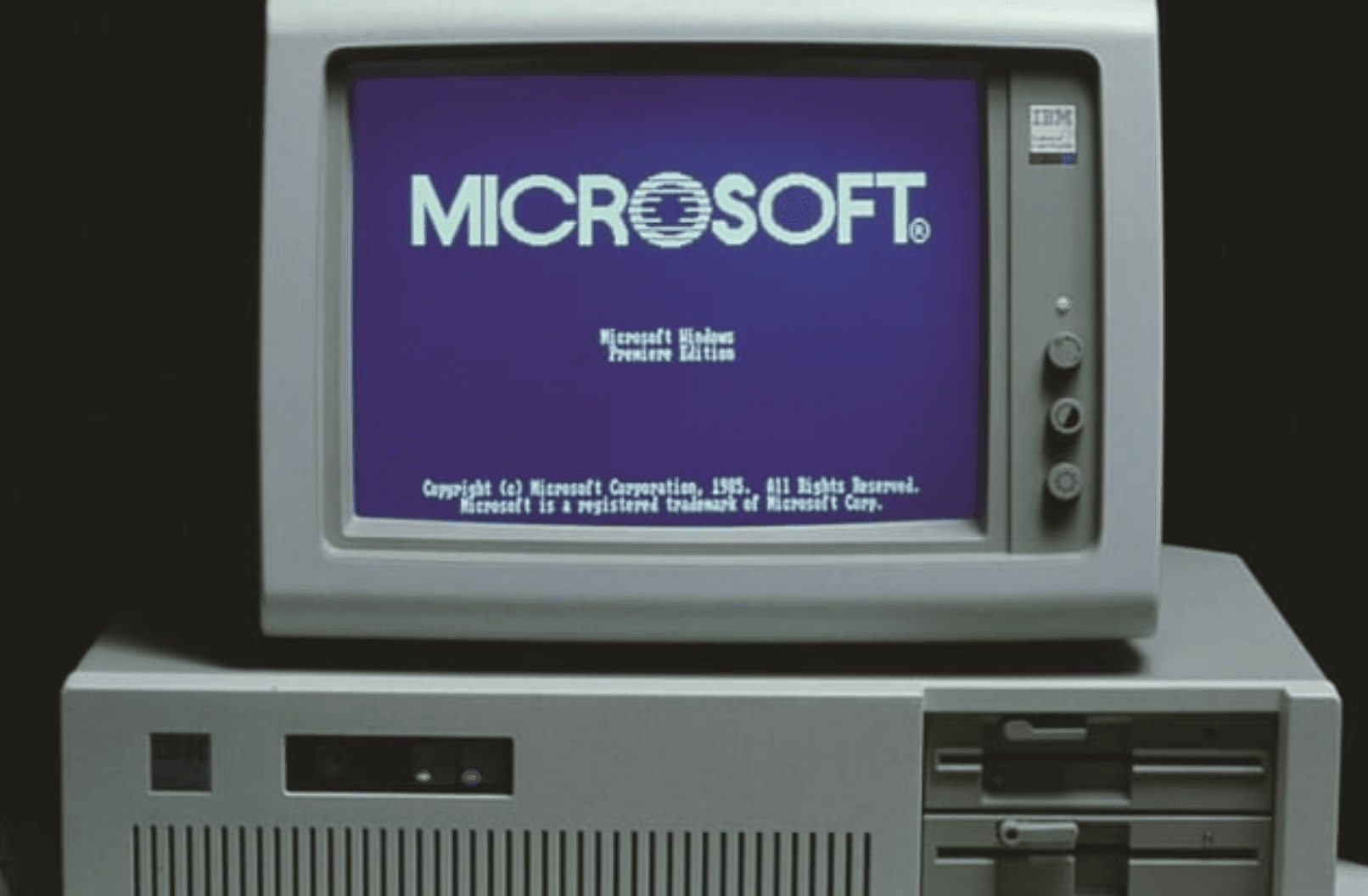
Image credits: Microsoft
Microsoft Windows Turn 40
This year marks a remarkable milestone in the history of personal computing, as Microsoft Windows turns 40 years old. When the first version of Windows launched in 1985, no one could have predicted how profoundly it would shape the way people work, communicate, and experience technology. Four decades later, Windows remains one of the most influential software platforms in the world, powering everything from home PCs to corporate servers and creative workstations. Its story is not just about software updates and interface changes; it is about the evolution of modern computing itself.
The journey began on November 20, 1985, when Microsoft released Windows 1.0 as a graphical extension for MS-DOS. At a time when most computers relied on text-based commands, the idea of navigating with a mouse and clicking on icons felt revolutionary. Although Windows 1.0 was limited by today’s standards, it introduced concepts that would become foundational to modern interfaces, such as windows that tiled across the screen, drop-down menus, and simple multitasking capabilities. What started as a modest software layer would soon spark a transformation in how ordinary users approached computers.
The release of Windows 3.0 in 1990 marked the moment when Windows truly captured mainstream attention. With improved graphics, a more polished user interface, and far better performance, Windows 3.0 quickly became a household name. It was during this period that Microsoft solidified its place in the rapidly expanding PC market. Suddenly, people could use their computers for a broader range of tasks, from managing spreadsheets and typing documents to running early versions of the games and educational programs that would define an era of home computing. Windows was no longer simply an optional interface; it was becoming the default environment for millions.
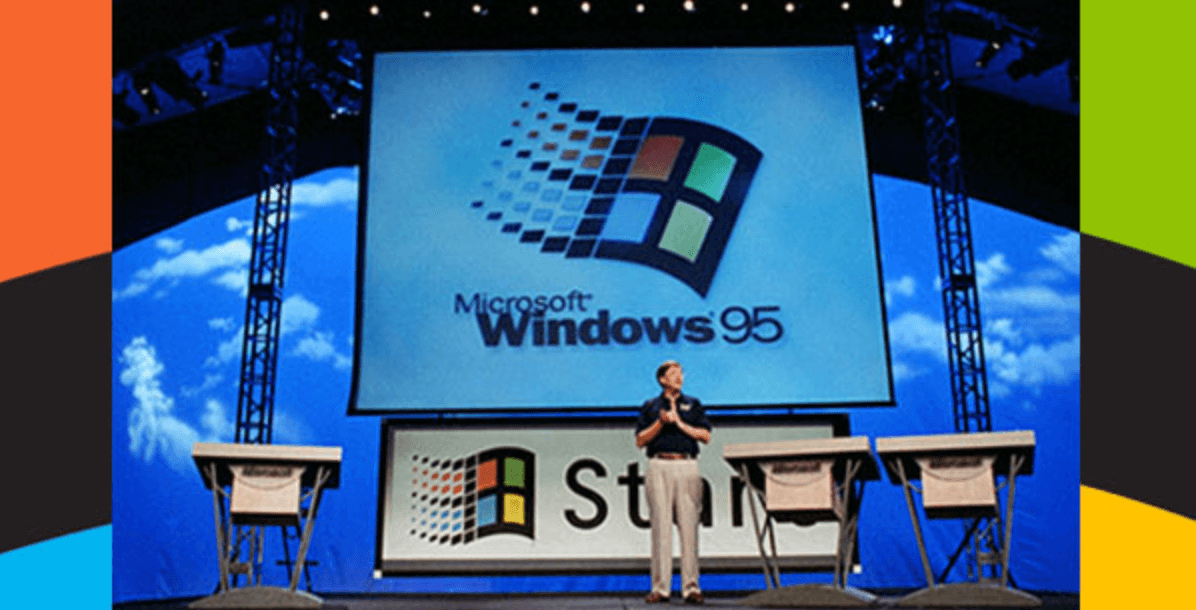
By 1995, when Windows 95 arrived, the world was already in the midst of a digital revolution, and Microsoft played a defining role in accelerating it. Windows 95 introduced the Start Menu, Taskbar, and the “desktop” metaphor that many users still rely on today. Its integration with the emerging internet age helped bring online access to mainstream audiences. The operating system became a cultural phenomenon, celebrated with massive marketing campaigns and midnight store openings. It is not an exaggeration to say that Windows 95 changed the relationship between humans and computers forever.
Over the next decade, Windows continued to evolve in step with advancing hardware and the changing expectations of its global user base. Windows XP, released in 2001, became one of the most beloved versions thanks to its stability, speed, and user-friendly design. Many people recall the distinctive blue default wallpaper and the sense of reliability XP brought to early-2000s computing. Even long after support officially ended, a surprising number of businesses and individuals continued to use XP because of its familiarity and dependability.
After XP, Microsoft introduced Windows Vista, a release that, despite its striking visual overhaul, struggled with performance concerns. Vista paved the way, however, for the more polished and widely successful Windows 7, which restored confidence in the platform and remains a favorite among tech enthusiasts. As technology moved into the cloud era, Microsoft transitioned again with Windows 8 and its touch-centric design, which attempted to bridge tablets and traditional PCs. Although controversial, Windows 8 signaled Microsoft’s desire to rethink the future of personal computing.
The arrival of Windows 10 in 2015 unified many earlier concepts and set the stage for a more stable and long-term operating environment. It introduced new security features, deeper integration with cloud services, and a continuous-update model that positioned Windows as a platform rather than merely a product. In 2021, Microsoft followed with Windows 11, a refreshed version focused on aesthetics, productivity, and hybrid-work needs, bringing a more streamlined interface and enhanced performance for modern hardware.
As Windows turns 40, its legacy stretches far beyond its version numbers. It has empowered generations of students, researchers, creatives, professionals, and everyday computer users. The operating system has been central to breakthroughs in gaming, office productivity, digital art, and software development. It has supported industries as varied as education, engineering, healthcare, and entertainment. Even in an era where smartphones dominate daily communication, Windows continues to serve as the backbone for much of the world’s professional and creative output.
The anniversary also invites reflection on what the next decade may bring. With artificial intelligence now integrated into many aspects of computing, future versions of Windows will likely be more adaptive, more intuitive, and more connected to cloud-based intelligence than ever before. Yet its core mission remains remarkably unchanged, to help people use technology in ways that are productive, expressive, and accessible.
Forty years on, Microsoft Windows stands not only as a technological achievement but also as a cultural touchstone. It has grown alongside its users, adapting to changing needs while shaping the very landscape of computing. As it enters its fifth decade, Windows continues to be a reminder of how far personal technology has come and how much potential still lies ahead.
Get all the latest tech updates from our blog posts on our website.
Follow us on Linkedin